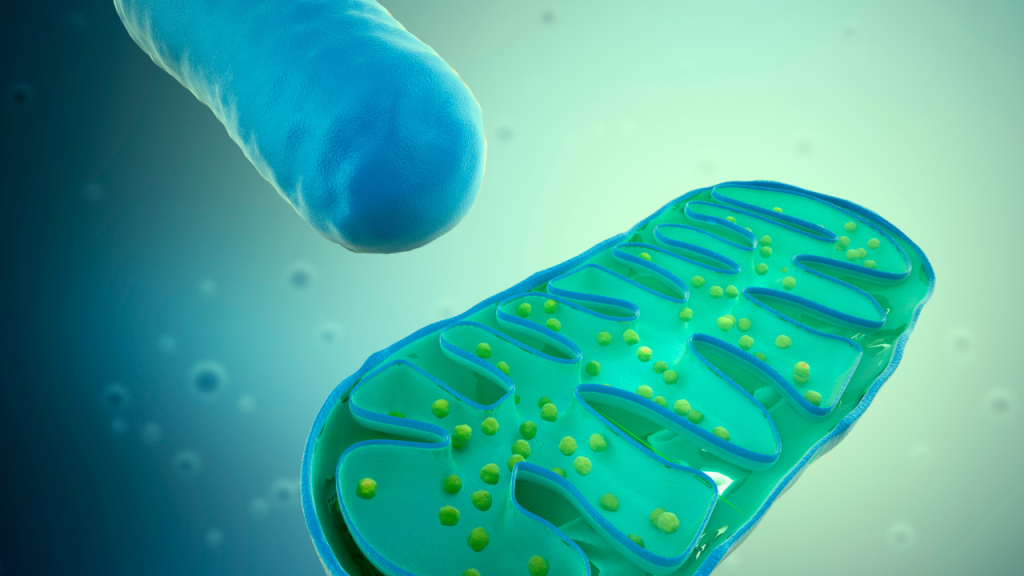
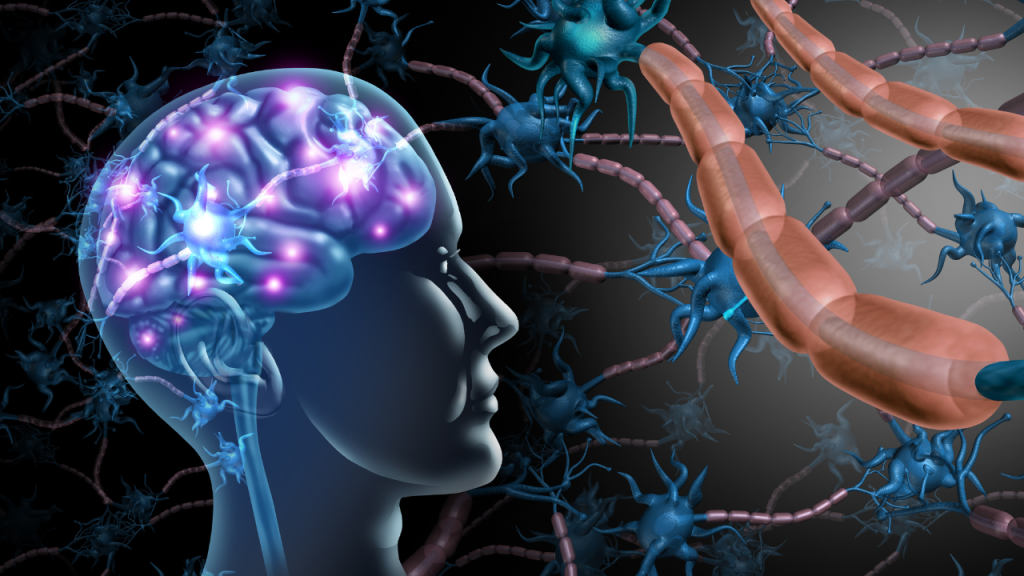
Have you ever felt anxious, foggy, or just drained—without knowing why? While we often look to our minds for answers, the root of the issue may lie even deeper: in your mitochondria—the tiny powerhouses inside your cells.
This week, we’re exploring the fascinating connection between mitochondrial health and mental well-being, and how small lifestyle changes can make a big impact on both.
Mitochondria: The Hidden Foundation of Mental Health
We’ve been told that mood is all about brain chemistry, but there’s more to the story. Mitochondria don’t just fuel your body—they directly influence your mood, focus, and stress levels.
Healthy mitochondria help your brain function optimally by:
Regulating hormones like cortisol and estrogen
Managing inflammation in the brain and body
Supporting stress response
Assisting in the release of key neurotransmitters like dopamine and GABA
When these cellular engines are stressed or under-functioning, it can show up as anxiety, depression, brain fog, or burnout.
Simple ways to start supporting your mitochondria:
Get natural sunlight within 30 minutes of waking
Take a 15-minute walk each day
Aim for 7–9 hours of quality sleep each night
Six Habits That Fuel Your Cells and Support Your Mind
Optimizing your mitochondria doesn’t require expensive supplements or complicated routines. These six foundational habits are key to building long-term physical and mental resilience:
Move daily – Walk, stretch, or include light strength training
Prioritize sleep – Rest is your body’s cellular reset button
Manage stress – Practice breathwork, meditation, or quiet time
Avoid toxic inputs – Limit alcohol, smoking, and recreational drug use
Stay connected – Relationships, purpose, and community support mitochondrial health
Remember: your daily habits shape your energy, mood, and even your gene expression.
Ultra-Processed Foods and Mental Health: A Hidden Threat
Think chips, soda, frozen meals, and packaged snacks. These ultra-processed foods (UPFs) are engineered to be addictive and comforting—but they may be silently sabotaging your mental health.
Here’s how UPFs affect your brain:
Override natural hunger cues, leading to overeating
Contain chemical additives that can damage mitochondria
Lack key nutrients needed for cognitive performance
Did you know? Binge Eating Disorder is now the most common eating disorder in the U.S.—and UPFs are a major contributor.
Instead, try:
Cooking simple meals at home
Choosing snacks with protein + fiber (like almonds and fruit)
Reading ingredient labels—skip what you can’t pronounce
Smart Supplementation (When Lifestyle Needs a Boost)
If you’ve built strong lifestyle habits and still feel off, certain nutrients can offer extra support:
Creatine – Boosts brain energy, especially helpful for vegetarians
Iron – Supports mood and focus; critical for women with heavy periods or chronic fatigue
Vitamin B12 – Essential for cognitive function; levels drop with age and some medications
If you’re experiencing brain fog, low motivation, or ongoing fatigue, talk to your healthcare provider about testing and personalized supplementation.
A New Mental Health Model: Metabolism Meets Mood
It’s time to move beyond the idea that mental health is just about neurotransmitters. When your body can’t produce or use energy efficiently, your brain can’t operate at full capacity.
This “metabolic model” of mental health helps explain:
Why trauma and chronic stress increase disease risk
Why lifestyle change often outperforms medication over time
Why supporting your cellular health can transform your mental state
Mental health is physical health. When your mitochondria are strong, your mind becomes more resilient.
Start With One Small Shift This Week
You don’t need a complete overhaul. Choose just one small action and commit to it:
✅ Swap an ultra-processed snack for a whole-food option ✅ Step outside for sunlight within 30 minutes of waking ✅ Take a walk after dinner ✅ Try 5 minutes of deep breathing before bed
These micro-habits create momentum—and your mitochondria (and mood) will thank you.
Stay well, stay curious, and keep supporting your cells. Your best self starts from within.
Maintaining healthy cholesterol levels is crucial for your overall well-being and heart health. With continuous health monitoring becoming increasingly important, understanding the […]