Maintaining healthy cholesterol levels is crucial for your overall well-being and heart health. With continuous health monitoring becoming increasingly important, understanding the difference between good and bad cholesterol can help you make informed decisions about your lifestyle choices.
What is Cholesterol?
Cholesterol is a waxy substance your body needs to build healthy cells. While your body produces all the cholesterol it needs, you also get it from foods. There are two main types of cholesterol: HDL (High-Density Lipoprotein) and LDL (Low-Density Lipoprotein)
HDL: The “Good” Cholesterol HDL cholesterol acts like a cleanup crew in your bloodstream:
Helps remove other forms of cholesterol from your bloodstream
Transports cholesterol back to your liver for processing
Higher levels are associated with lower risk of heart disease
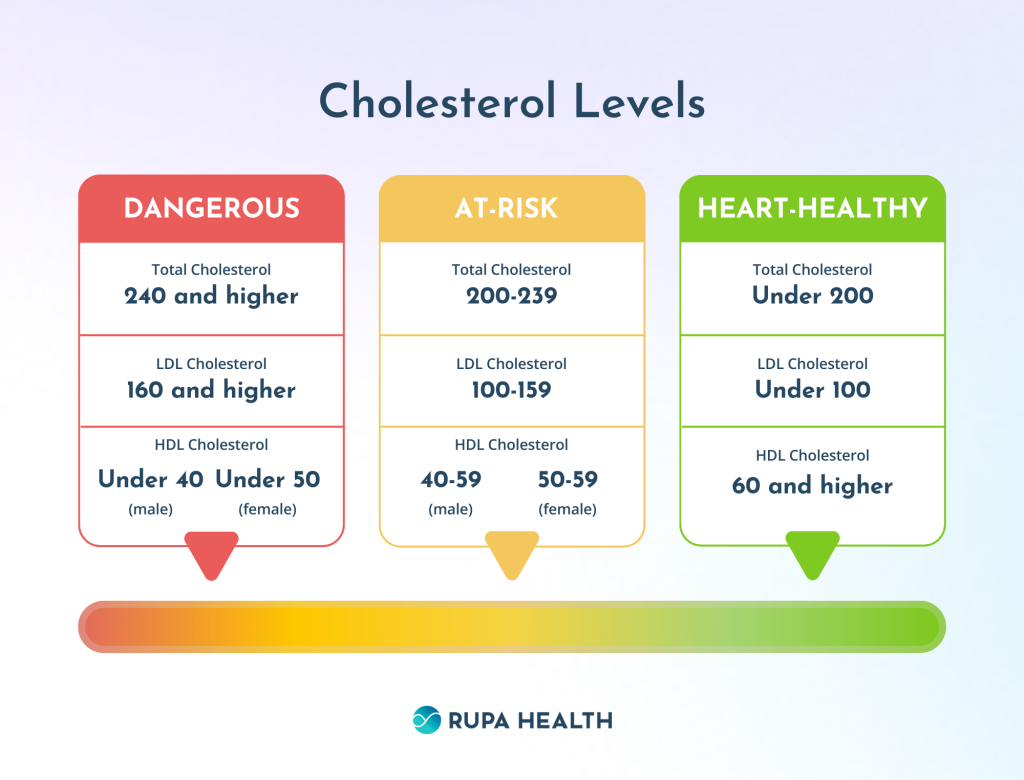
Target levels: 60 mg/dL or higher is considered optimal
LDL: The “Bad” Cholesterol LDL cholesterol can be harmful when present in high amounts:
Can build up on artery walls
Forms plaque that narrows arteries
Increases risk of heart disease and stroke
Target levels: Less than 100 mg/dL is considered optimal
Managing Your Cholesterol Levels
Here are evidence-based strategies to maintain healthy cholesterol levels:
Regular Exercise
Aim for 150 minutes of moderate activity weekly
Include both cardio and strength training
Monitor your activity levels using wearable devices
Heart-Healthy Diet
Limit saturated and trans fats
Include plenty of fiber-rich foods
Choose lean proteins and healthy fats
Lifestyle Modifications
Maintain a healthy weight
Quit smoking
Limit alcohol consumption
Manage stress through techniques like breathing exercises
The Role of Continuous Monitoring
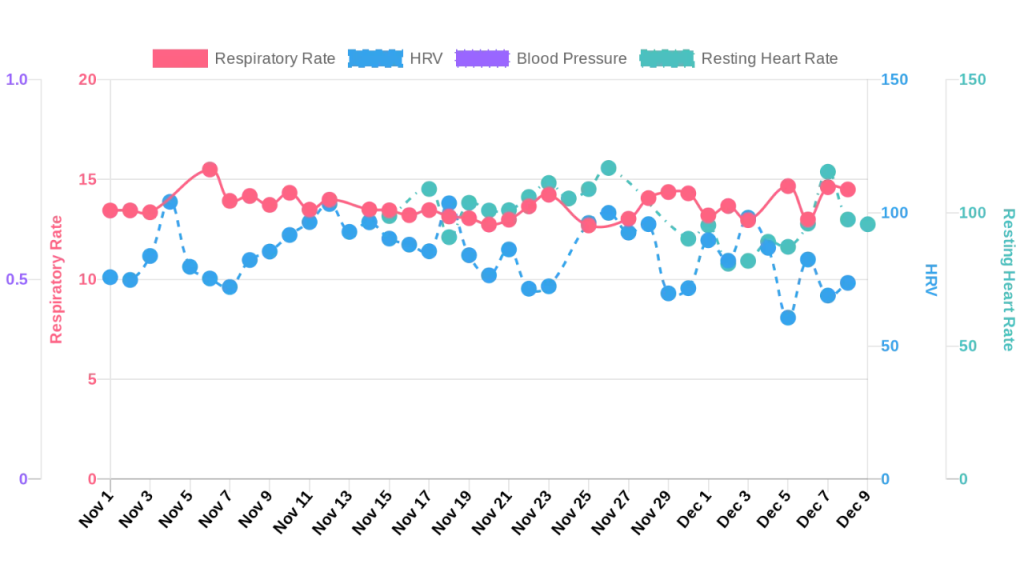
Ziva Health allows for comprehensive tracking of factors that affect cholesterol levels through a unified platform. By connecting with various wearable devices like Apple Watch, Garmin, Oura Ring, Fitbit, and Whoop, Ziva provides 24/7 monitoring of crucial health metrics:
Regular Blood Pressure Monitoring: Track blood pressure trends and receive alerts for any concerning patterns
Heart Rate Variability (HRV) Tracking: Monitor your body’s stress response and recovery patterns
Sleep Quality Assessment: Analyze core, deep, and REM sleep patterns that impact metabolic health
Stress Level Monitoring: Track and manage stress levels that can affect cholesterol metabolism
When to Seek Professional Help
Consult your healthcare provider if you:
Haven’t had your cholesterol checked in the past 5 years
Have a family history of heart disease
Notice unusual changes in your vital signs
Experience symptoms like chest pain or shortness of breath
Prevention Through Early Detection
Regular monitoring of your health metrics can help identify trends that might indicate changing cholesterol levels. Working with healthcare providers who use advanced monitoring tools can help catch potential issues early and develop personalized intervention strategies.
Understanding the difference between good and bad cholesterol is essential for maintaining heart health. By combining healthy lifestyle choices with regular monitoring and professional guidance, you can better manage your cholesterol levels and reduce your risk of heart disease.
Remember to consult with your healthcare provider before making significant changes to your diet or exercise routine, especially if you have existing health conditions.