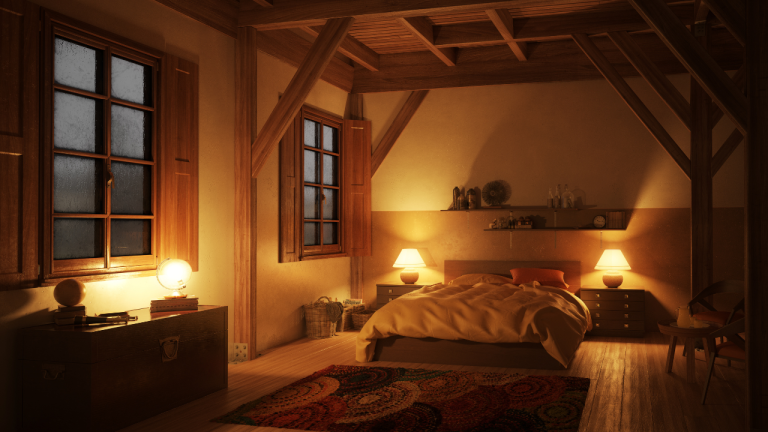
Sleep isn’t just rest—it’s the cornerstone of your physical health, emotional resilience, and mental sharpness. And while a solid night’s sleep might feel elusive, the science behind high-quality rest is clearer than ever. With just a few key adjustments, you can train your body and mind to sleep deeper, longer, and more consistently.
Let’s break it down.
The 5 Pillars of Better Sleep
1. Same Time, Every Time Your body thrives on rhythm. Going to bed and waking up at the same time—yes, even on weekends—helps train your internal clock. With consistency, your body will begin to wind down naturally, making it easier to fall and stay asleep.
2. Darkness Wins Melatonin, the hormone responsible for sleepiness, is triggered by darkness. Bright lights (especially screens) can interfere with this natural process. Quick tip: Start dimming your lights about an hour before bed to signal it’s time to wind down.
3. Cool Down to Power Down A cooler sleep environment promotes deeper sleep. Aim for around 67°F (19°C) or what feels slightly chilly but cozy to you. Bonus: Taking a warm bath an hour before bed can help your body cool more efficiently once you’re out of the water, signaling it’s time to sleep.
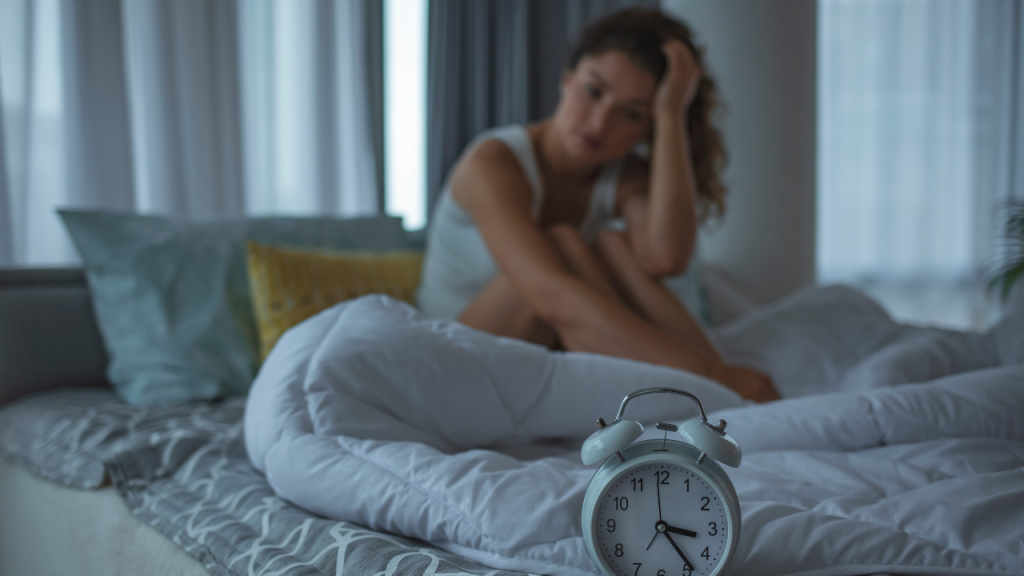
4. Don’t Just Lie There If you’re still awake after 20 minutes in bed, don’t toss and turn. Get up and do something calming—like reading, stretching, or slow breathing—under low light. No phones. No snacks. Just calm.
5. Skip the Nightcaps and Late Lattes Even one drink in the evening can fragment your sleep, reducing deep rest. And caffeine? Its effects linger. About half is still in your system after five hours—and a quarter remains after ten. Try cutting off caffeine 10 hours before bedtime and keep alcohol occasional.
Why Caffeine and Alcohol Disrupt Sleep
Alcohol may make you sleepy, but it disrupts REM and deep sleep, leaving you groggy. Caffeine, on the other hand, stays in your system far longer than most people realize. Even if you don’t “feel” wired, it can still prevent restful sleep.
The takeaway: timing matters.
Align Sleep with Your Chronotype
Are you naturally a morning person or a night owl? This is your chronotype, and it’s largely genetic. While life might not always accommodate your natural rhythm, sleeping too far out of sync with your chronotype can reduce sleep quality. Pay attention to your body’s preferences—and work with them when you can.
Move by Day, Rest by Night
Exercise supports sleep. Physical activity helps regulate your circadian rhythm, relieves stress, and promotes deeper rest. You don’t need an intense workout—walking, stretching, or gentle movement counts. The key is consistency.
Rethink Your Food Timing
Heavy or sugary meals close to bedtime can increase your heart rate and raise your core temperature, making it harder to fall asleep. Most people do best when their last meal is about 90 minutes to 3 hours before bed. Try different timings and observe what works for you.
Get Out of Your Head to Get to Sleep
Can’t stop thinking? Try creating a nighttime ritual: breathwork, meditation, or visualizing a peaceful scene (try a mental walk instead of counting sheep). Avoid rumination in bed—if it’s been more than 30 minutes, get up and reset with a calming activity.
Remove all clocks and phones from the bedroom. Watching the clock only adds anxiety.
Had a Rough Night? Don’t Overcompensate
Resist the urge to nap, go to bed early, or over-caffeinate. These quick fixes can throw off your body clock even more. Instead, stick to your normal schedule and get moving—exposure to daylight and light activity can help reset your rhythm.
Advanced Sleep Boosters
Looking to level up your sleep hygiene? Try:
Morning light exposure to anchor your circadian rhythm
Warm baths before bed to trigger cooling
Relaxing teas like chamomile or lavender
Breathwork or guided relaxation via apps like Ziva Health
Consistent wind-down rituals (same calming routine every night)
Even though advanced tools like sound therapy or brain stimulation are being studied, the basics—timing, light, temperature, and mindset—remain the foundation of good sleep.
Protect Your Sleep Space Your bed should be a signal for sleep, not scrolling. Train your brain to associate your bed only with rest. And if you fall asleep the moment your head hits the pillow? That may be a sign of sleep deprivation.
The goal: build trust in your body’s ability to rest—one consistent night at a time.
🌙 Your Action Step Tonight:
Turn down the lights an hour before bed, skip that evening glass of wine, and leave your phone in another room. Give yourself 7–9 hours to wind down, rest, and recover—you’ll wake up better for it.
Stay consistent, stay open, and let rest become your superpower.