What Is HRV—and Why It Matters for Your Health and Recovery
Think of HRV as your body’s daily report card on how well it’s handling stress and bouncing back. It’s an often-overlooked measure that offers incredible insights into your overall well-being. The good news is you can track it, understand it, and even improve it with simple, science-backed habits.
Diving Deeper into HRV
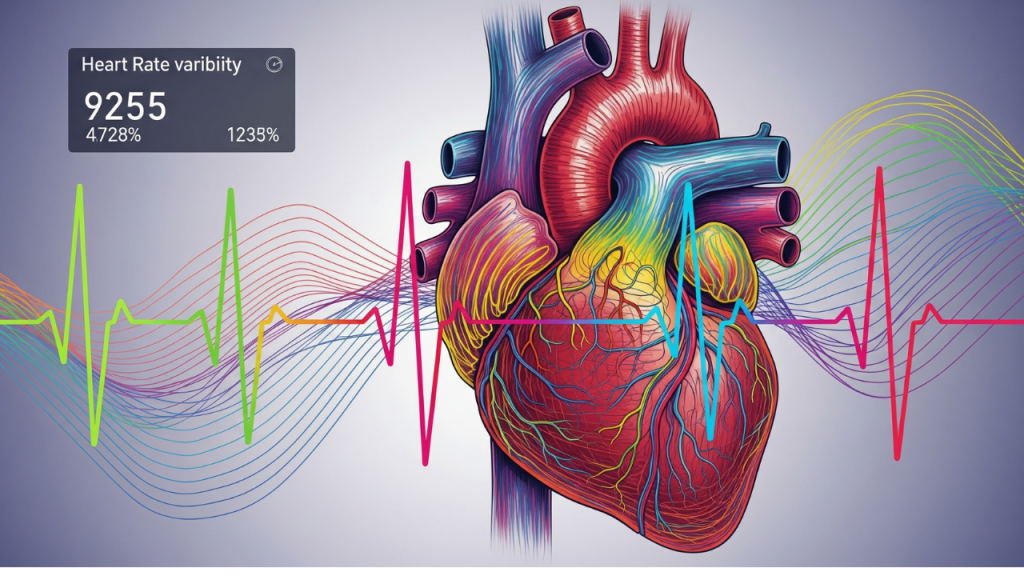
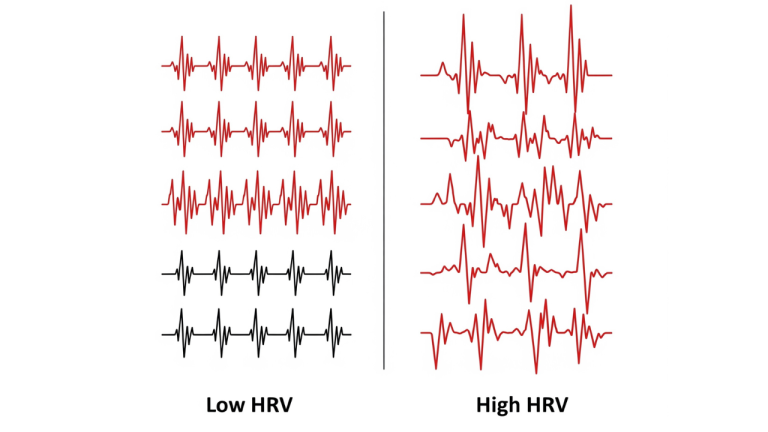
Heart Rate Variability (HRV) measures the tiny, natural changes in the time between your heartbeats. Even if your heart rate seems steady, those beats aren’t perfectly spaced, and that’s actually a good thing!
HRV reflects how well your autonomic nervous system (ANS) is balancing its two main branches:
Sympathetic nervous system: Your “fight or flight” response, geared towards stress.
Parasympathetic nervous system: Your “rest and digest” response, focused on recovery.
More variability means your body is adaptable and resilient, efficiently shifting between these states. Less variability can signal that you’re under stress, haven’t fully recovered, or that your nervous system is working overtime.
Essentially, HRV is like your body’s recovery score. A higher HRV often indicates that your body is rested, balanced, and ready to perform. A lower HRV can be a sign that you need more rest, better sleep, or more effective stress management.
Why You Shouldn’t Compare Your HRV to Others
It’s crucial to understand that your HRV is highly individual. Factors like age, genetics, fitness level, and even the tracking device you use can influence it. Comparing your HRV to someone else’s can be misleading and isn’t a productive way to use this metric.
What truly matters is your personal baseline. Tracking your own HRV trends over time helps you identify meaningful changes in stress, recovery, or overall health. A “good” HRV for you is one that’s stable or improving. Focus on consistent tracking under similar conditions, and use those trends to guide your personal health and recovery decisions.
What Affects HRV—and How to Improve It
HRV isn’t static; it fluctuates daily based on your sleep, diet, training, and even your emotional state. Here are some science-backed ways to support and improve your HRV:
Prioritize Quality Sleep
Sleep is one of the biggest drivers of HRV. Poor or inconsistent sleep can significantly drop your HRV. Focus on good sleep hygiene, like dimming lights before bed, avoiding screens, and maintaining a regular sleep schedule.
Use Thermal Stress for a Short-Term Boost:
Cold showers, ice baths, or sauna sessions can temporarily increase your HRV. These methods challenge your body just enough to stimulate a recovery response. Remember, they’re short-term tools, not long-term solutions.
Practice Breathing Techniques:
Slow, deep breaths—especially with longer exhales or equal inhales and exhales—can improve HRV by stimulating the vagus nerve. This activates your parasympathetic nervous system, promoting relaxation and better autonomic balance.
Cultivate Mindfulness and Connection:
Activities like meditation, journaling, and spending quality time with trusted people help calm your nervous system. When you shift into a relaxed (parasympathetic) state, your HRV tends to go up, signaling better recovery.
Train Your Recovery System:
Just like muscles, your nervous system adapts to stress. Strategic, moderate challenges—like workouts, cold exposure, or even mental stress—can help train your body to recover faster over time. The key is to balance these stressors with adequate rest.
What If Your HRV Stays Low?
A single low HRV reading isn’t typically cause for concern. However, if your HRV remains low for seven or more days, it might be time to investigate further. This could indicate hidden stress, overtraining, poor sleep, or other recovery roadblocks. This is when consistent tracking and potentially expert support can help you take the next steps towards better health.
Try This Today:
To start shifting your nervous system into recovery mode and, over time, potentially raise your HRV, try this simple routine:
Unplug from screens 30 minutes before bed.
Write down three things you’re grateful for.
Take five slow, deep breaths, focusing on a long, gentle exhale.
HRV is like your body’s internal check-engine light. When you learn to read its signals and respond appropriately, you can significantly improve your recovery, build resilience, and unlock better long-term health.